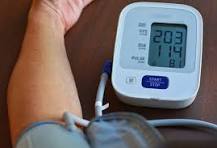
What is High Blood Pressure?
High blood pressure, also known as hypertension, occurs when the force of blood against the artery walls is consistently too high. Over time, this pressure can damage blood vessels and vital organs, especially the heart, brain, and kidneys.
Common Causes
- Unhealthy diet (high salt and fat intake)
- Lack of physical activity
- Obesity or being overweight
- Stress and anxiety
- Smoking and excessive alcohol use
- Family history of hypertension
Why is Hypertension Dangerous?
Hypertension is often called a “silent killer” because it may not show clear symptoms. If left untreated, it can lead to:
- Heart attack and heart failure
- Stroke
- Kidney disease
- Vision problems
Signs and Symptoms
Most people do not feel symptoms. In severe cases, patients may experience:
- Headaches
- Dizziness
- Shortness of breath
- Chest pain
Regular blood pressure checks are essential.
Prevention and Control
You can reduce your risk of high blood pressure by:
- Eating a balanced diet rich in fruits and vegetables
- Reducing salt intake
- Exercising regularly
- Maintaining a healthy weight
- Managing stress
- Avoiding smoking and limiting alcohol
When to See a Doctor
If your blood pressure readings are consistently high or you have risk factors, consult a healthcare professional. Early diagnosis and proper management can prevent serious complications.